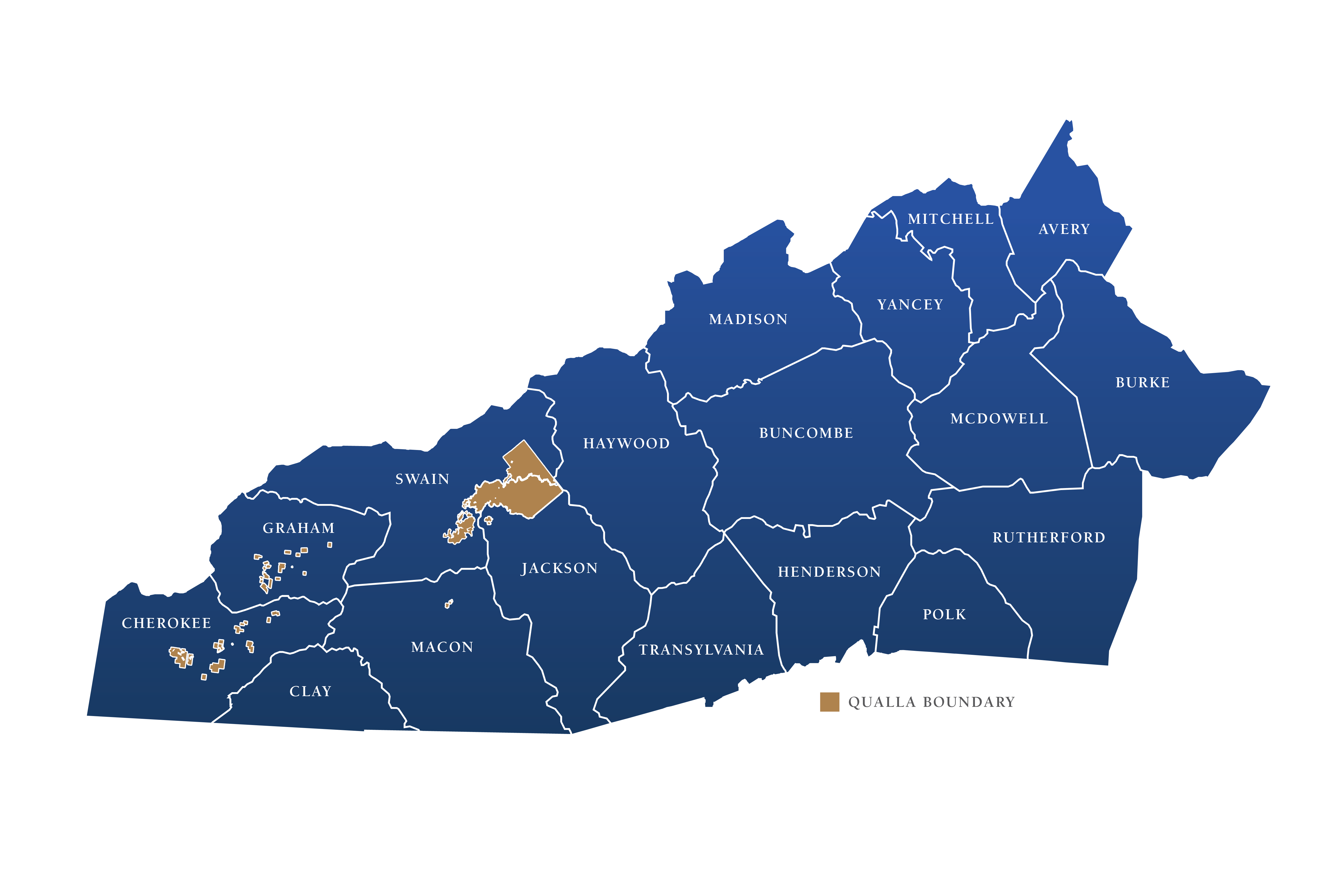
Our NC ROOTS Hub is working to ensure rural health investments address Western North Carolina’s (WNC’s) most pressing needs.
Roughly 93 percent of our 19-county region is considered rural. More than half of our one million residents live in sparsely populated mountain communities and on the Qualla Boundary. These realities create unique health challenges. North Carolina’s Rural Health Transformation Program (NCRHTP) aims to address them.
Our region has high rates of mental health disorders and chronic disease
Community health assessments across WNC highlight mental health as the number one priority. Substance use, chronic disease, and housing and food insecurity are also top concerns. Other challenges include a high poverty rate and the long distances people often travel for care. These factors shape the solutions needed to support healthier communities.
NCRHTP investments will target regional priorities
In the summer of 2026, Impact Health partnered with the WNC Health Network to conduct a regional needs assessment. The goal was to identify where NCRHTP funding could have the greatest impact. These findings and ongoing community feedback guide our Hub’s rural health investments across four core areas:
Supporting Families & Babies
Improving health outcomes during pregnancy and baby’s first year. Strategies include early risk detection, monitoring, and community-based care.
Infrastructure is the key to rural health transformation
Our Hub is developing a strong rural health network that can support all Western North Carolinians for generations to come. In addition to the work mentioned above, NCRHTP funding will be used to expand access to mental health and substance use services. Other investments aim to strengthen rural clinics and hospitals. Providers can also get support for using technology to improve access to care. To learn more about these initiatives, visit ncdhhs.gov/rhtp.
Click below to view and download our Region 1 Needs Assessment. Appendices are available on request by emailing [email protected].
This webpage is supported by the Centers for Medicare & Medicaid Services (CMS) of the U.S. Department of Health and Human Services (HHS) as part of a financial assistance award totaling $213,008,356.47 with 100 percent funded by CMS/HHS. The contents are those of the author(s) and do not necessarily represent the official views of, nor an endorsement, by CMS/HHS, or the U.S. Government.