Noah Poulos
Guest Opinion
When people talk about hunger relief, health equity, and food systems, the farmer’s perspective is often missing. Yet farmers are at the heart of these conversations. We are the ones planting, harvesting, and delivering the food that programs like the Healthy Opportunities Pilot (HOP) have helped put on family tables across Western North Carolina. HOP helped address non-medical health needs of many rural North Carolina residents on Medicaid, like healthy food and safe housing. It proved that fresh, locally produced food could be a legitimate part of health care — an intervention that improves health outcomes while strengthening local economies.
Through HOP, farms like mine have been able to provide healthy food directly to people who need it most through a range of local businesses and nonprofits. That connection has been transformative. It has allowed us to deliver the highest-quality food we can grow — fresh, local, nutrient-dense — to families who otherwise would not be able to afford it. For us, that is the deepest measure of success: nourishing people well, while also caring for the land and building community resilience. It reminded us that good farming and good health are inseparable, two halves of the same work of caring for place and people.
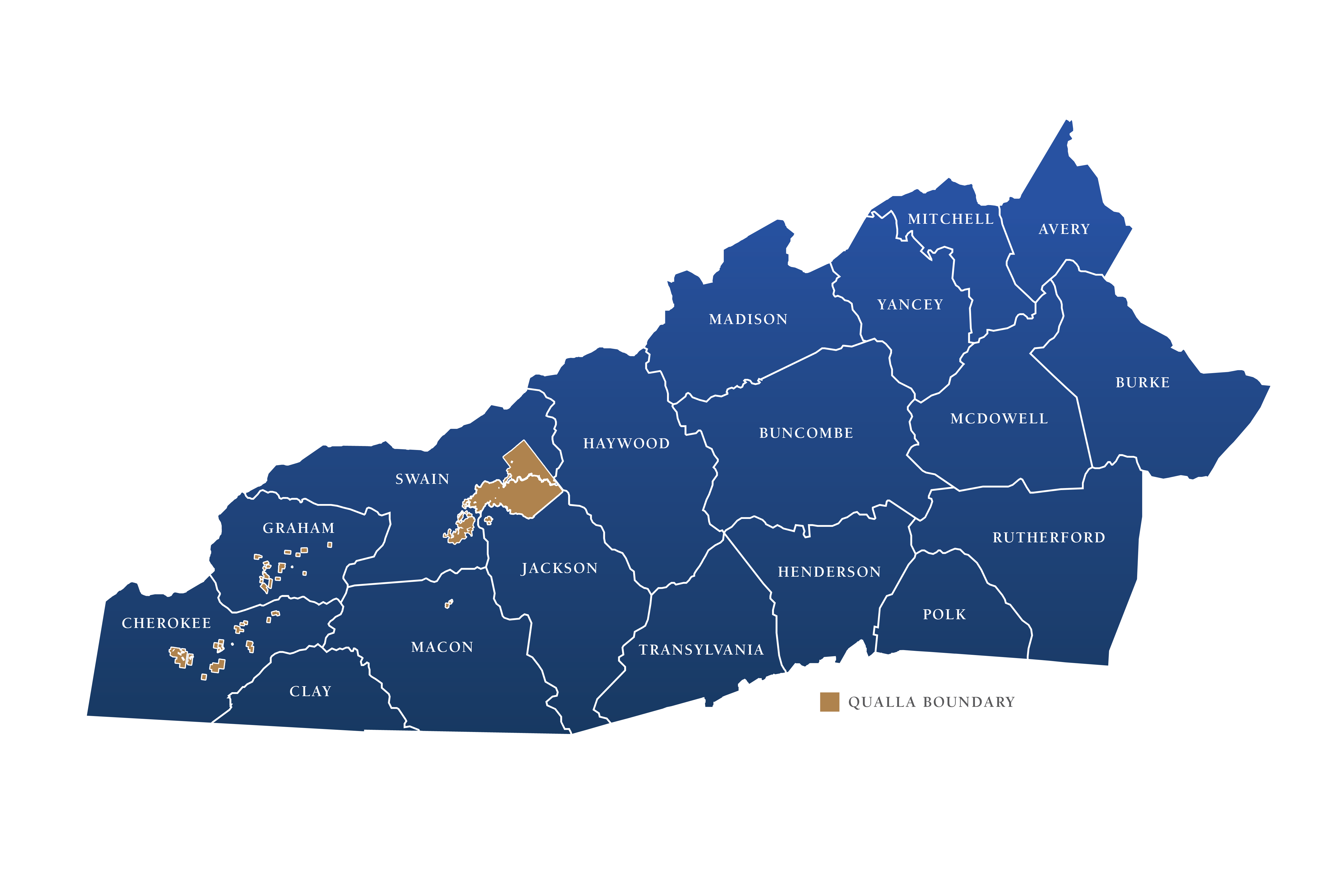
At Wild East Farm in McDowell County, we raise organic vegetables, pastured poultry, and perennial crops on 45 acres. Over the past two years, organizations like Equal Plates Project and Mother Earth Food enabled us to supply thousands of pounds of produce and protein to families through HOP. Those sales mattered. They helped us pay employees, invest in soil and infrastructure, and keep our business stable in the face of unpredictable markets. They also kept farmland in production rather than at risk of development—a reality many farmers in our region face.
That is why the pause in HOP funding is so concerning. This is not just a bureaucratic delay. It’s a rupture in a system that was working. When the funding stops, farms like ours lose more than income. We lose stability, and that loss ripples outward. Families who relied on regular deliveries of fresh produce and proteins are left without. Local dollars stop circulating in rural economies. Farm workers lose hours or and jobs. And the long, patient work of building a more equitable and resilient food system gets set back.
For many of us, HOP didn’t just provide sales — it offered a glimpse of what farming could feel like when it’s truly valued. Too often, small farms struggle to find stable markets for the high-quality food we produce, even at fair prices. HOP gave us a chance to scale up in a way that worked financially. For once, we weren’t hustling just to move product; we were
desired, welcomed, and supported as part of the local economy. Losing that is more than a financial setback — it’s an emotional one too. It shows how fragile farm viability remains without these kinds of programs.
There is a misconception that programs like this are charity. In reality, they are investments that pay dividends in two directions: they strengthen public health, and they strengthen local agriculture. Every dollar spent through HOP nourished people and sustained farms. It allowed healthcare, philanthropy, and agriculture to pull in the same direction, proving that we can build food systems that work better for everyone.
Without programs like HOP, small farms face yet another uphill climb. We operate on thin margins. We contend with weather, market volatility, and the sheer cost of farming. When stable partnerships vanish, many farms are forced to scale back or shut down entirely. And when small farms disappear, communities lose more than a food source. They lose open space, ecological stewardship, and a piece of their cultural fabric. The loss of a farm is rarely visible overnight, but over time it erodes the integrity and resilience of an entire community.
As a farmer, I ask policymakers, funders, and community leaders to remember who grows the food at the center of this conversation. If we want resilient communities and healthy people, we need resilient farms. That requires more than words of support, it requires maintaining and expanding the programs that connect us to the families we want to serve.
The voice of the farmer is far too important to leave out.
Noah Poulos is a farmer, writer, and educator that has gratefully called Western North Carolina home for the last eleven years.